Bridging Education Gaps Through Community Learning
The Learning Village Camp: Bridging Education Gaps Through Community Learning
The Issue
Across Nigeria’s rural and underserved communities, many children remain excluded from quality learning opportunities—especially during school holidays when educational engagement drops sharply. Limited access to learning materials, overcrowded classrooms, and a shortage of teachers continue to widen literacy and numeracy gaps.
In communities like Irasa, Ado-Ekiti, the challenge is not just access to education, but continuity of learning. Many rural children lose academic momentum during holidays, leading to declining performance and school dropouts. This gap is most visible among children from low-income families who lack access to structured learning spaces and digital tools to stay engaged.
“When learning stops, dreams pause. Rural children deserve spaces where curiosity never fades—even when school is out.”
The Solution
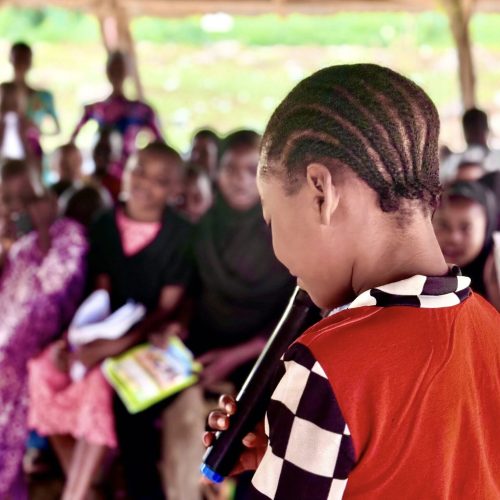
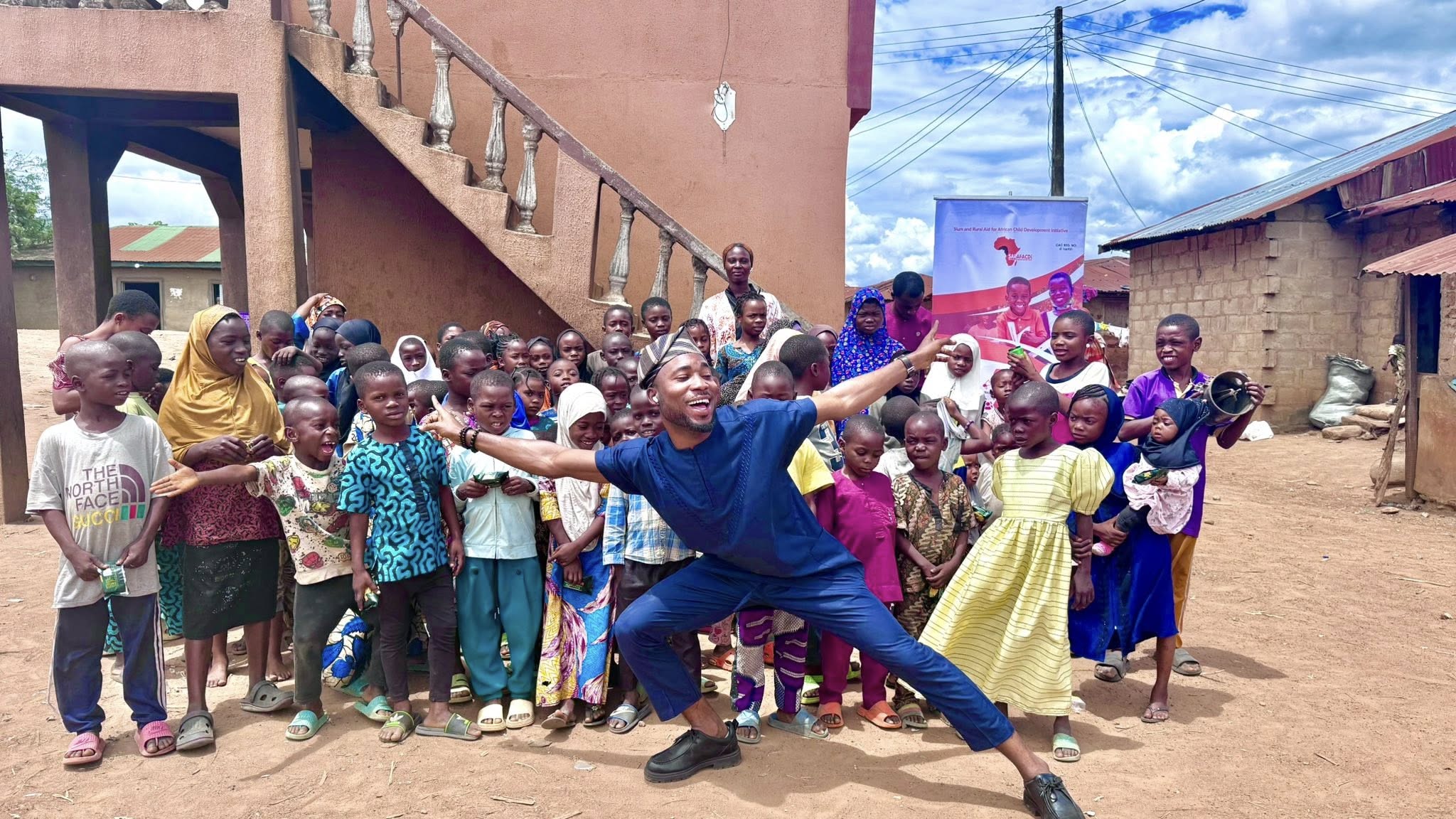
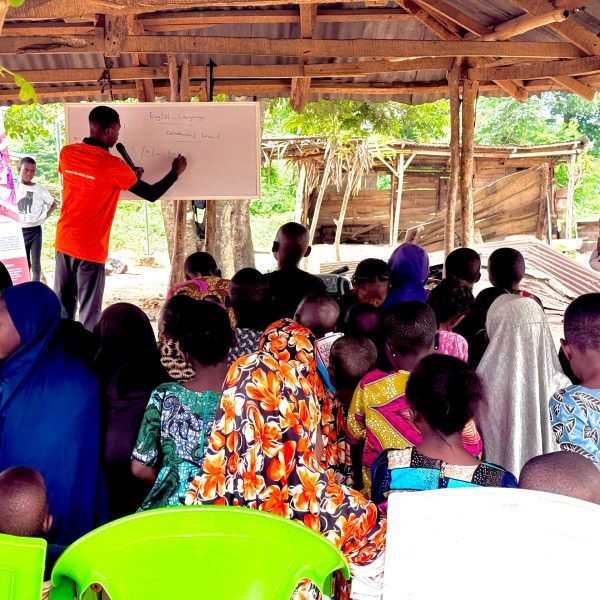
To tackle rural learning loss and strengthen foundational education, Slum and Rural Aid for African Child Development Initiative (SARAFACDI) launched the Learning Village Camp, a two-week intensive, community-based learning initiative implemented in Irasa community, Ado-Ekiti.
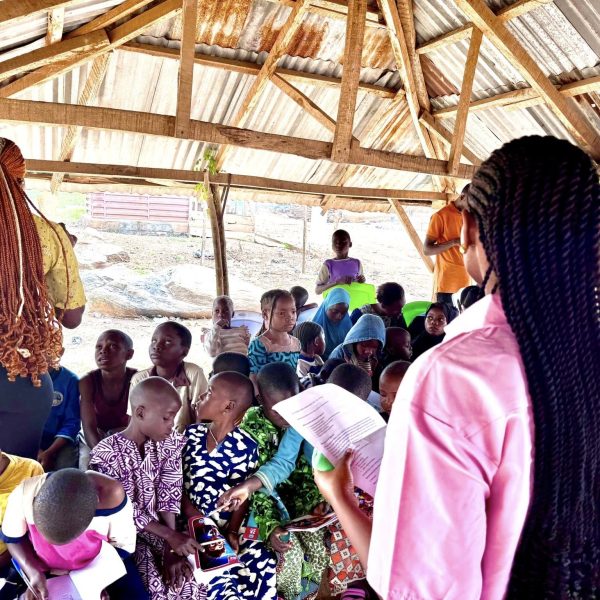
The camp provides a safe, inclusive, and fun-filled learning environment for children aged 5–15 years, using the Teaching at the Right Level (TaRL) approach to address foundational learning gaps. Rather than grouping learners strictly by age or grade, children are assessed and grouped by actual learning level, ensuring instruction matches their literacy and numeracy needs.
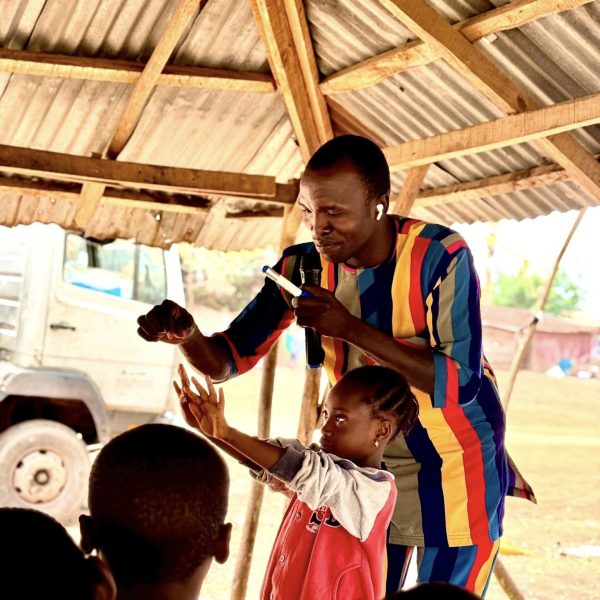
SARAFACDI’s Learning Village Camp model combines TaRL-based academic reinforcement, life skills education, and community engagement to ensure children in rural areas continue learning during school breaks. The model is designed to:
Strengthen foundational literacy and numeracy through TaRL-informed grouping, targeted instruction, and continuous assessment.
Build language proficiency and confidence using interactive, play-based, and learner-centred methods.
Introduce digital awareness through visual tools, guided demonstrations, and age-appropriate digital activities.
Promote civic values, hygiene, and personal development alongside academic learning.
Engage parents and local volunteers as learning facilitators, reinforcing skills beyond the camp and sustaining learning continuity.
Through the Learning Village Camp, SARAFACDI creates a “village of learning”, a community-powered classroom where TaRL ensures no child is left behind, learning is accessible and practical, and every child progresses from their current level toward foundational mastery.
Impact Metrics
| Indicator | Result |
|---|---|
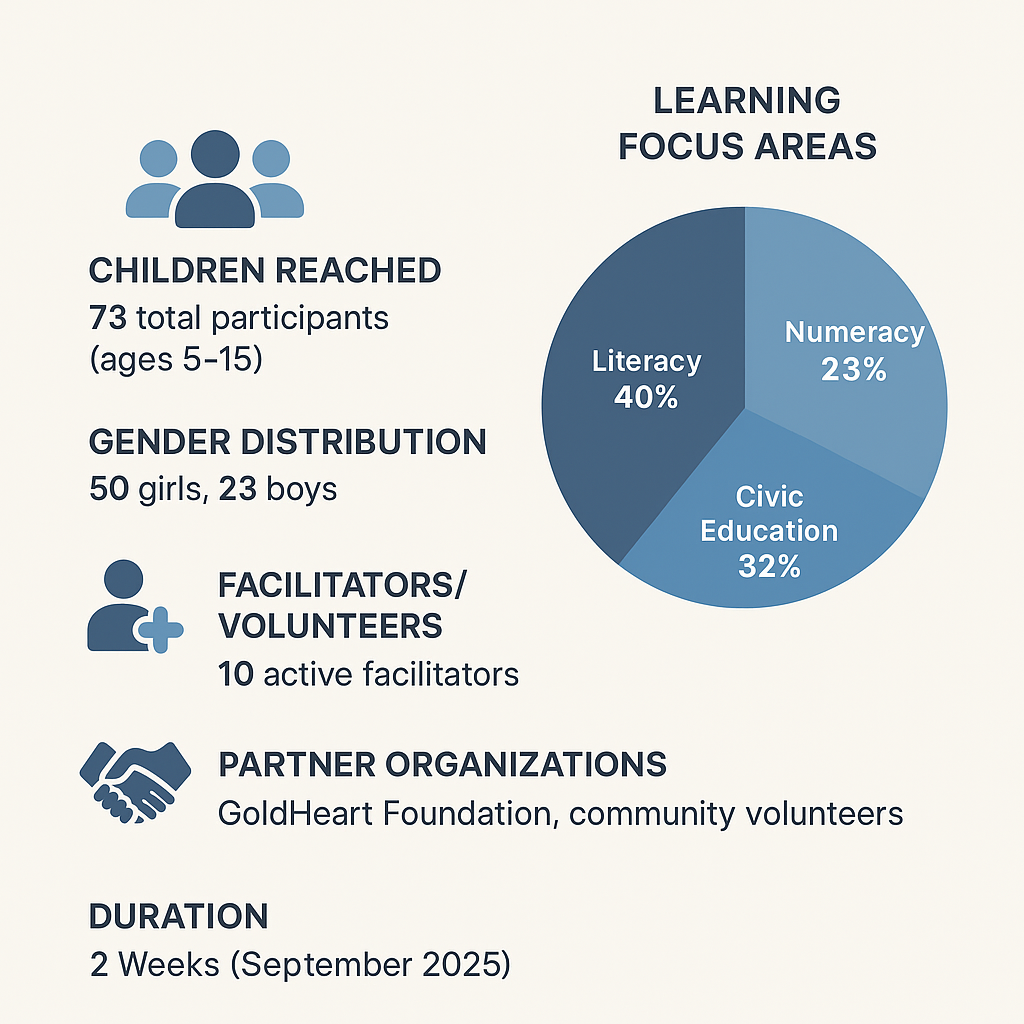
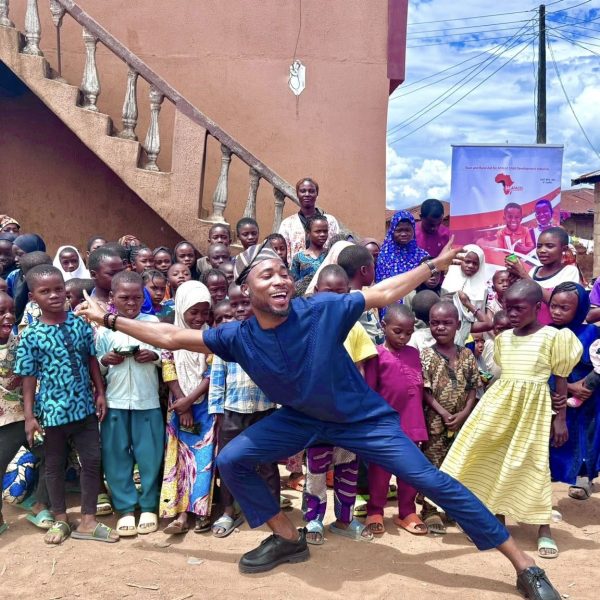
| Children Reached | 73 total participants (ages 5–15) |
| Gender Distribution | 50 girls, 23 boys |
| Facilitators/Volunteers | 10 active facilitators |
| New Participants (Day 3) | 26 newly enrolled learners |
| Partner Organizations | GoldHeart Foundation, community volunteers |
| Learning Focus Areas | Literacy, Numeracy, Hygiene, Civic Education, Digital Awareness |
| Duration | 2 Weeks (September 2025) |
Outcomes & Impact
✅ Increased enthusiasm for reading and classroom participation among children.
✅ Strengthened community trust and involvement in children’s education.
✅ Enhanced literacy, numeracy, and hygiene awareness.
✅ Improved communication, confidence, and teamwork skills.
✅ Exposure to digital learning tools for the first time.
✅ Daily attendance growth showing strong word-of-mouth impact and parental support.
Challenges Identified
Limited learning materials, books, and teaching aids.
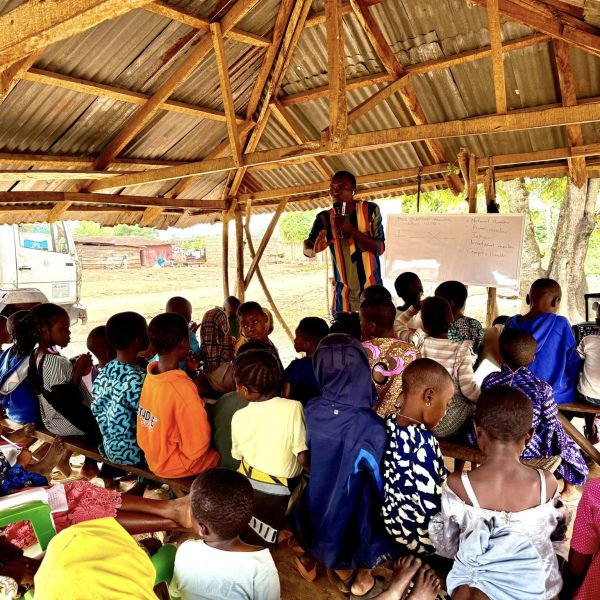
Inadequate seating and classroom space due to growing attendance.
Shortage of facilitators for diverse age groups.
Environmental distractions during sessions.
Need for more structured and resource-equipped learning environments.
Gallery
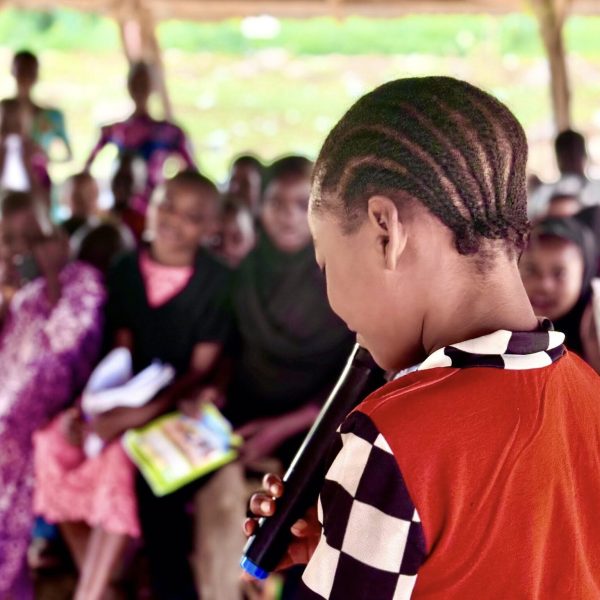
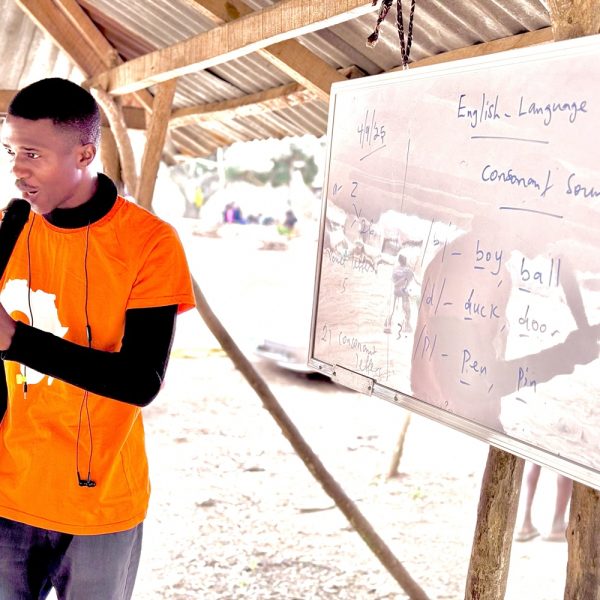
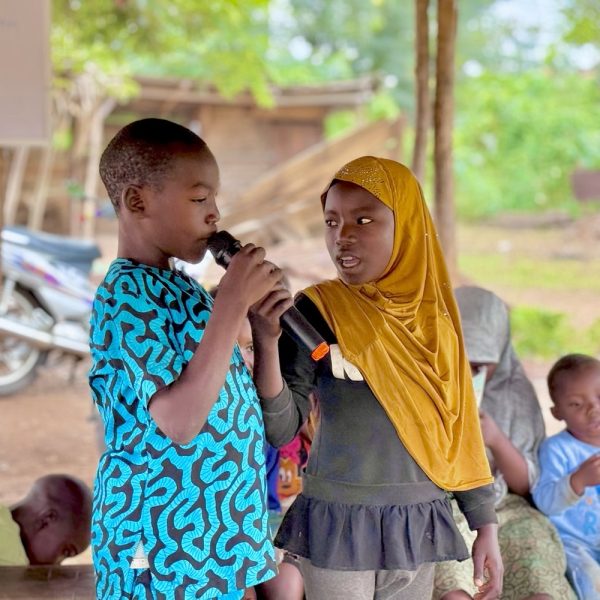
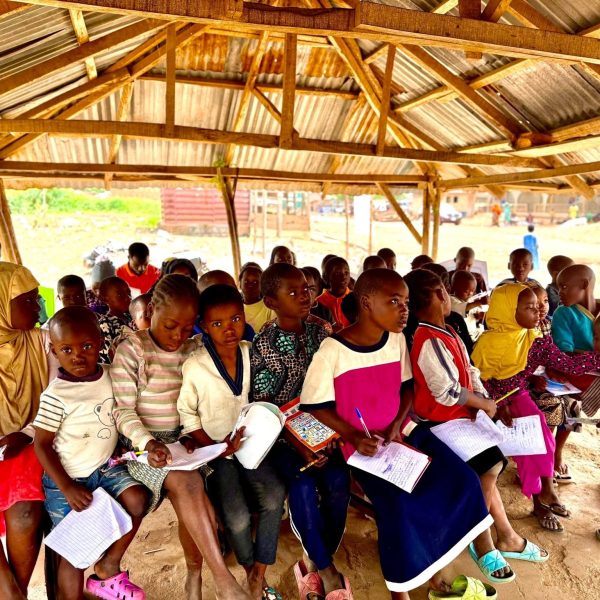
Conclusion
The Learning Village Camp demonstrates that community-led, TaRL-informed education works when grassroots organizations and local stakeholders collaborate. In just a short period, children who previously struggled with foundational skills were able to learn at their own level, regain confidence, and rediscover the joy of learning through play, collaboration, and care.
The camp’s growing attendance, strong community ownership, and visible learner enthusiasm reaffirm a powerful truth: when instruction meets children where they are, progress follows. With consistency, trained facilitators, and community commitment, every village can become a village of learning.
SARAFACDI remains committed to scaling the Learning Village Camp model across rural Nigeria—ensuring that no child is left behind in the journey toward inclusive, equitable, and quality education for all.